Cooking utensils are easy to overlook, but they matter as much as your stove or your knives. They affect how much you enjoy cooking, how long your pans last and even food safety. Silicone and stainless steel are the two most popular choices, and each one wins in different places.
Most of us have a favorite spatula or spoon we grab for everything. But a favorite isn't always the right tool for the job. Here's how the two materials really compare, so you know which one to reach for.
The short answer
Choose silicone for nonstick pans, delicate tasks and cool-touch handles. Choose stainless steel for heavy-duty jobs, high heat and the longest lifespan. Most kitchens are best with a few of each.
What are silicone and stainless steel utensils?
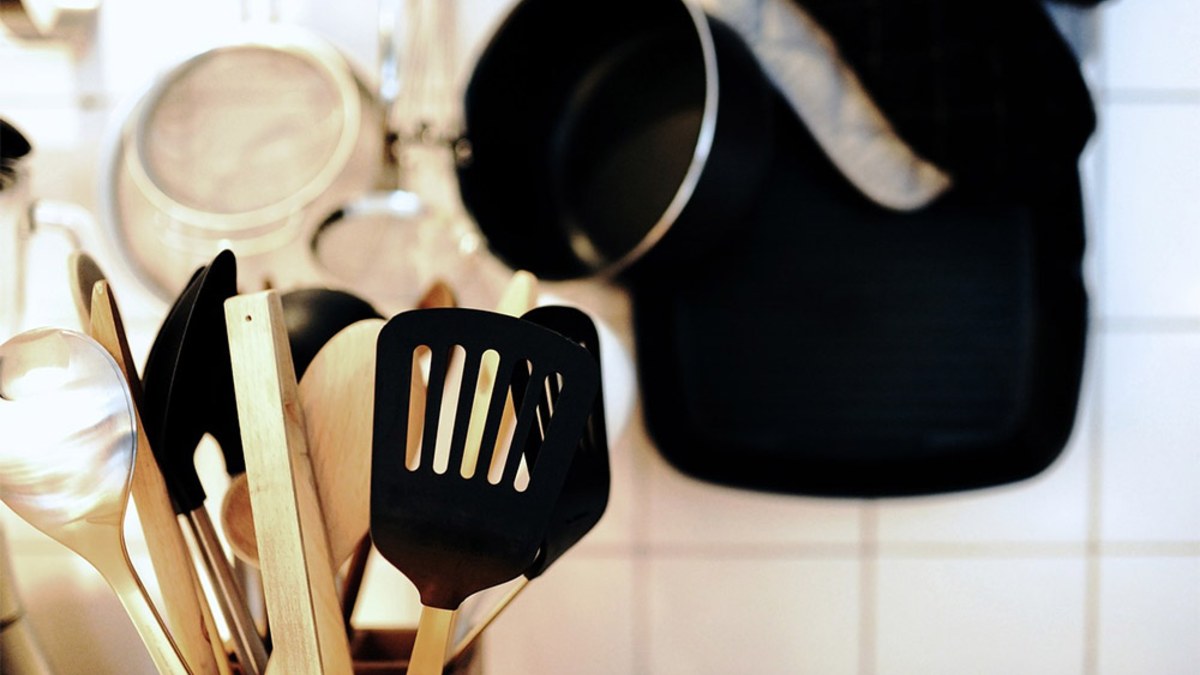
Silicone is a synthetic rubber made from silicon and oxygen. It's heat resistant, flexible and naturally nonstick, which is why you see it on spatulas, spoons, whisks, tong tips and baking molds. Some utensils are solid silicone. Others have a silicone head on a plastic, metal or wood handle.
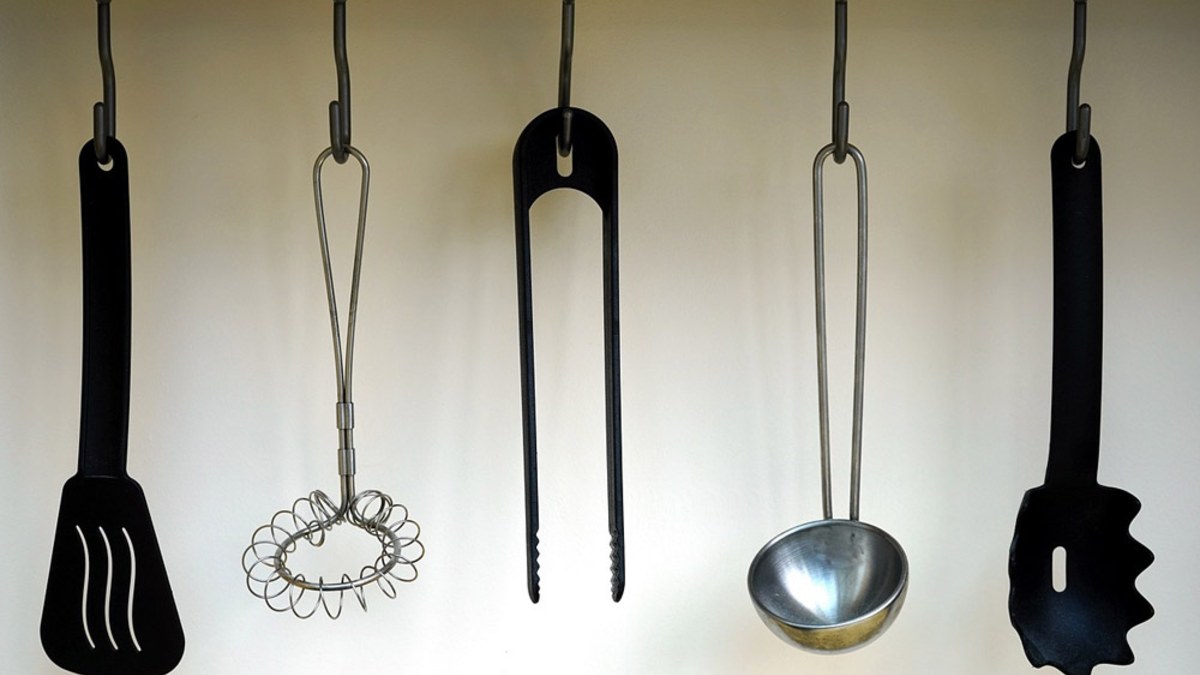
Stainless steel is an iron alloy known for strength, rust resistance and a clean, professional look. It's behind most of the slotted spoons, ladles, turners and whisks in home and restaurant kitchens, and it's built to last.
Head to head
| Silicone | Stainless steel | Edge | |
|---|---|---|---|
| Durability | Won't rust, but cheap silicone can split where the head meets the handle | Resists bending, breaking, warping and corrosion | Stainless |
| Heat | Good quality handles -40°F to 450°F, top quality up to 600°F | Virtually impervious, but handles can get hot | Stainless (silicone stays cool) |
| Safety | Food-grade, BPA-free silicone is non-toxic and non-reactive | Non-reactive and very hygienic (18/10 or 18/8 grade) | Tie |
| Cookware | Safe on nonstick, ceramic and enameled pans | Can scratch nonstick and coated pans | Silicone |
| Cleaning | Dishwasher safe, but can hold odors and stain | Dishwasher safe, won't absorb odors | Stainless |
| Price | Budget friendly, quality varies a lot | More upfront, lasts for years | Silicone now, stainless long term |
Durability and lifespan
Stainless steel is built to last. It resists bending, breaking and warping under heavy use and high heat, and it doesn't corrode, so it keeps its looks and its function for years, even decades. Most stainless utensils can go straight in the dishwasher without wearing down.
Silicone is durable in a different way. It won't rust, but it can break down over time, especially with long exposure to extreme heat. Cheap silicone often fails at the seam where the head meets the handle. Good silicone, cared for properly, lasts for years and won't scratch, dent or get hot. The bottom line: stainless for heavy-duty, long-term use, silicone for flexible everyday versatility.
Heat resistance
Heat resistance is silicone's big selling point. Good food-grade silicone is typically rated from about -40°F to 450°F, and top-quality silicone goes higher, up to around 600°F. That covers sautéing, stirring hot sauces and baking. The catch is quality. Poor silicone can melt, warp or give off an unpleasant smell well below those numbers, so always check the heat rating before you buy.
Stainless steel is basically impervious to cooking heat. Leave a stainless spoon in a bubbling stew and it won't melt or deform. But steel conducts heat, so the handle can get hot if it sits in the pot too long, and silicone won't do that. For raw heat resistance, stainless wins. For a cool-touch handle, silicone does.
Is silicone safe? Is stainless steel?
Both are safe when they're made well. High-quality, food-grade silicone is non-toxic, doesn't leach chemicals into food and doesn't react with acidic ingredients like tomato sauce or citrus. Look for BPA-free silicone that meets FDA food-contact standards, and be wary of ultra-cheap pieces, especially brightly colored ones, which may contain fillers.
Stainless steel is just as safe. It's non-reactive, doesn't hold onto flavors and is one of the most hygienic surfaces in the kitchen. Food-grade stainless, usually labeled 18/8 or 18/10, is safe for every kind of cooking.
Which pans they're safe on
Silicone is the gentle one. It won't scratch nonstick, ceramic or enameled cookware, and it works fine on everything else, so it's the safe bet when you're not sure what your pans are coated with.
Stainless steel is right at home on cast iron, stainless and uncoated aluminum. On nonstick or ceramic finishes, though, metal edges can scratch the coating over time, so switch to silicone or wood for those pans.
Cleaning and care
Both are dishwasher friendly, but they age differently. Silicone wipes clean easily thanks to its nonstick surface, but it can absorb strong smells and pick up stains from foods like tomato sauce and curry.
Cleaning tip
Silicone stained by tomato sauce or curry, or holding onto an odor? A soak in baking soda and vinegar can help.
Stainless steel doesn't absorb odors or flavors, won't stain easily and stands up to grease and oil better than silicone. For low-maintenance cleanup, stainless has the edge.
Which jobs go to which
This is where the difference really shows.
| Grab silicone for | Grab stainless steel for |
|---|---|
| Folding egg whites | Flipping thick cuts of meat |
| Scraping out cake batter | Stirring heavy stews |
| Sautéing in nonstick pans | Whisking hard |
| Reaching every corner of a bowl or jar | Grilling and high-heat stovetop cooking |


Shop the 13″ silicone spatula →
Both have a bamboo handle that pops off, so the silicone head can go in the dishwasher.
Silicone for finesse, stainless steel for muscle.
Price and value
Silicone is usually cheaper up front, but quality varies a lot. Skip the bargain-bin sets, which may not be food safe or last long. Spending a bit more on good silicone saves money over time because you aren't replacing it every year.
Stainless steel costs more at the start, but a good set can last for decades without losing any function. It's easy to find, often in professional-grade sets, and it's the better long-term investment if it fits your budget.
Before you buy
☐ Check the temperature rating, especially on silicone
☐ Look for BPA-free, food-grade materials
☐ Choose designs without gaps where food and bacteria can hide, or a handle that comes off for cleaning
☐ Spend a little more. The cheapest sets usually mean weaker materials and a shorter life
Quick answers
Is stainless steel better than silicone?
Not better, just better at different things. Stainless wins on durability, heat and easy cleaning. Silicone wins on protecting nonstick pans and staying cool to the touch.
Is silicone toxic?
Food-grade silicone that meets FDA food-contact standards is considered safe and non-toxic for cooking. Stick to reputable, heat-rated utensils and avoid very cheap pieces that may contain fillers.
Can silicone utensils melt?
Good silicone handles normal stovetop and oven temperatures, usually up to around 450°F. Low-quality silicone can soften or melt sooner, so check the rating.
Which is better for nonstick pans?
Silicone. Metal can scratch nonstick coatings over time.
Tools with your name on them
Want branded silicone or bamboo utensils?
Tell us your audience and your budget per piece. We'll recommend utensils that fit how they cook.