Searing, stir-frying and grilling bring big flavor, but they're hard on your tools. The wrong utensil can melt, warp or scorch in seconds, and nobody wants bits of spatula in their steak.
The short answer
For true high heat, stainless steel is the safest bet. High-quality silicone, typically rated 450°F to 600°F, comes next and protects nonstick pans. Wood and bamboo won't melt and work well if you keep them moving. Save nylon for moderate heat, since it's usually rated to about 400°F.
How hot does cooking get?
Everyday sautéing usually runs somewhere around 300°F to 400°F at the pan's surface. Hard searing and stir-frying can push well past 450°F, and grills and broilers run hotter still. That's why a utensil's heat rating matters more than it seems, and why a spatula that's perfect for scrambled eggs can fail in a ripping-hot skillet.
Quick tip
Not sure how hot your pan is? An inexpensive infrared thermometer tells you in a second.
Utensil materials compared
| Material | Heat limit | Nonstick safe? | Best for | Watch out for |
|---|---|---|---|---|
| Stainless steel | Far beyond any cooking temperature | No | Searing, grilling, frying, heavy jobs | Handles get hot, and it scratches coated pans |
| Silicone | About 450°F to 600°F, by quality | Yes | Sautéing and stir-frying in nonstick, baking | Cheap silicone can melt or smell |
| Wood and bamboo | Won't melt, but can scorch in direct flame | Yes | Sautéing, stirring, sauces | Don't rest it in a hot pan or over a flame |
| Nylon | About 400°F | Yes | Moderate-heat stirring and flipping | Softens or melts past its rating |
| Basic plastic | Often well under 400°F | Yes | Serving and cold prep | Not for hot pans |
Heat limits vary by product. Always check the maker's rating.
Stainless steel: the high-heat champion
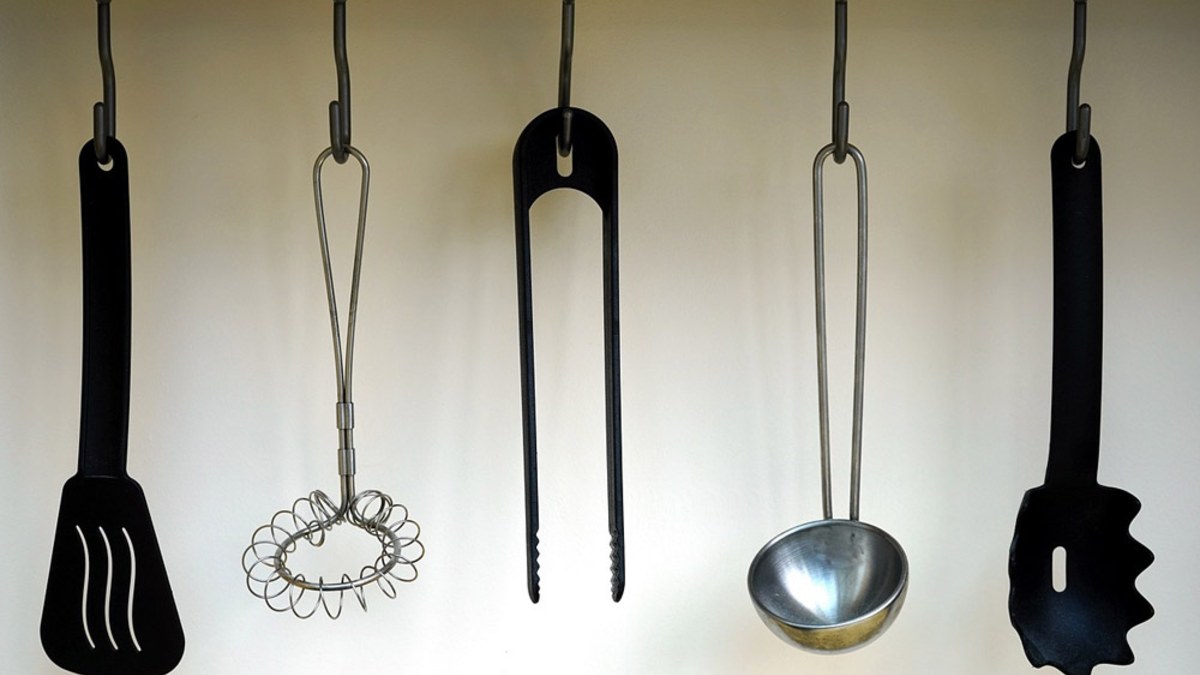
Stainless steel handles far more heat than any stovetop or grill can throw at it. It won't melt, warp or burn, and it's strong enough to flip thick steaks and scrape up a good fond. It also resists corrosion and lasts for years, which is why professional kitchens are full of it.
The trade-offs: steel conducts heat, so handles can get hot, and metal edges can scratch nonstick and ceramic pans. Use it on stainless, cast iron and the grill.
Silicone: high heat that's gentle on pans
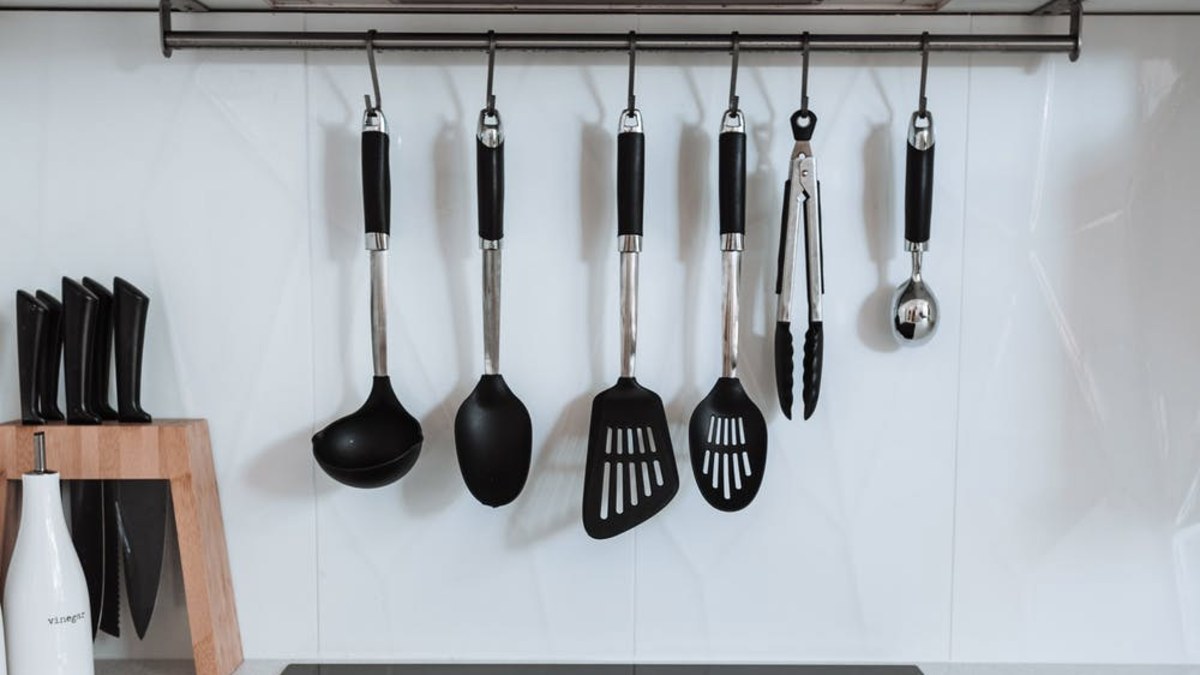
Good food-grade silicone is typically rated from about 450°F to 600°F, depending on quality. That's plenty for sautéing, stir-frying and baking, and it won't scratch nonstick cookware or get hot in your hand. It also comes in every color, which makes it easy to match your kitchen.
Quality is everything, though. Cheap silicone can melt or smell well below those numbers, so check the rating. Here's how silicone and stainless steel compare head to head.
Wood and bamboo: classic and heat-tolerant
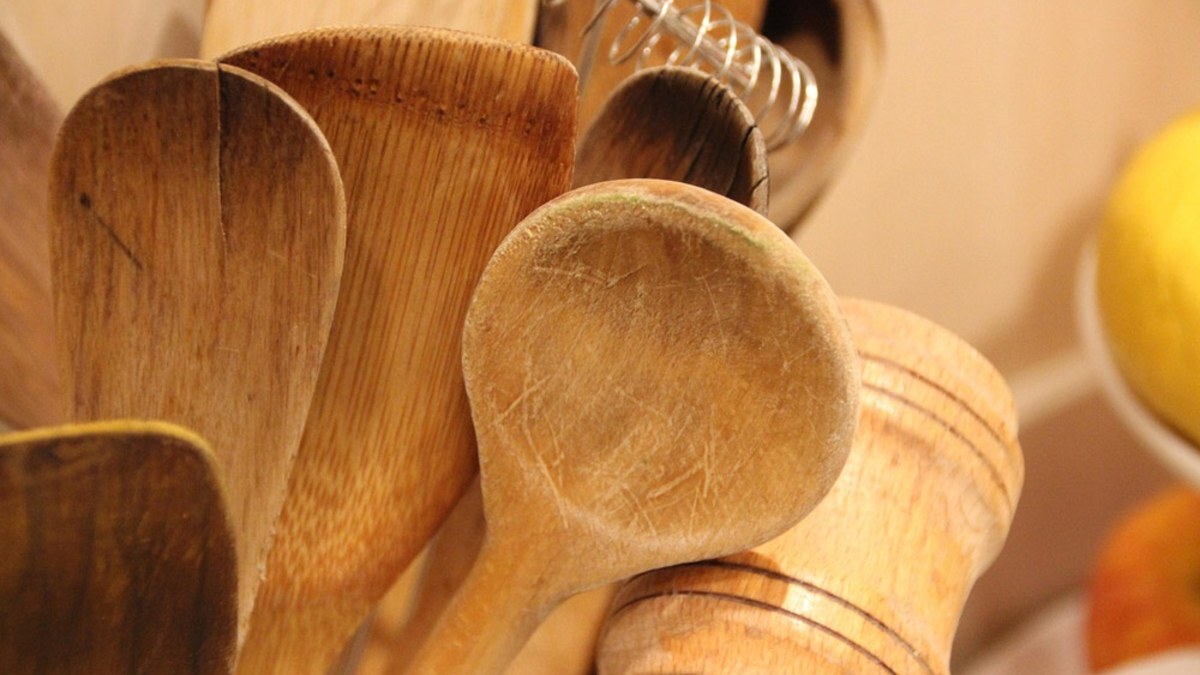
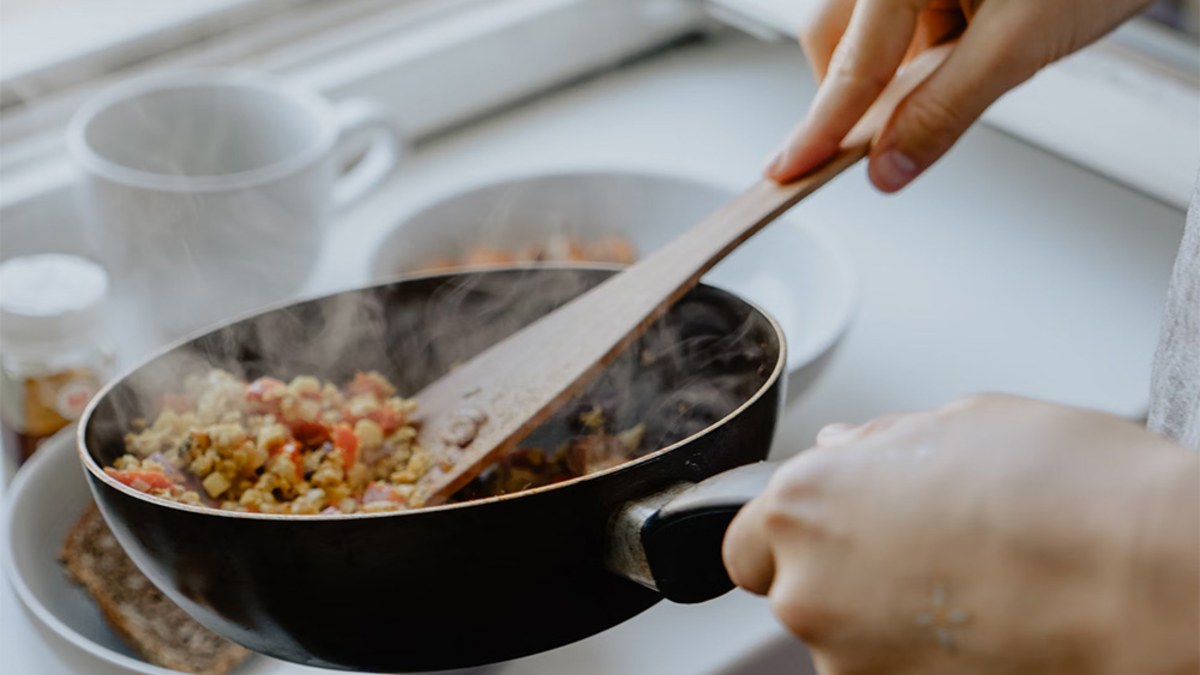
Wood and bamboo won't melt, and they stay cool in your hand. They're great for sautéing and stirring, as long as you keep them moving and out of direct flame, where they can scorch. More on using wood at high heat.
Nylon: fine for moderate heat
Nylon is inexpensive and nonstick friendly, but it's usually rated to about 400°F. Use it for everyday cooking at moderate heat and switch to something tougher for searing and stir-frying. Here's whether nylon utensils are safe.
Match the tool to the heat, and your utensils will last as long as your recipes.
Nylon vs. silicone vs. wood: which is best?
For most home cooks, a mix works best:
- Silicone spatulas and spoons for nonstick pans and higher heat
- Wood or bamboo spoons for sauces, soups and stirring
- Stainless steel tongs and turners for searing and the grill
- Nylon for low to moderate everyday tasks

Shop the silicone utensil set →

Quick answers
What are the best heat-resistant kitchen tools for high-temperature cooking?
Stainless steel for the highest heat, high-quality silicone for nonstick pans, and wood or bamboo for stirring.
What utensil material is safest for high heat?
Stainless steel. It handles far more heat than any cooking method produces.
Is silicone or nylon better for high heat?
Silicone. It's usually rated 450°F to 600°F, while nylon tops out around 400°F.
Can wooden spoons be used at high heat?
Yes, as long as you keep them moving and away from direct flame.
Heat-ready tools with your logo
Want branded utensils built for real cooking?
Tell us your audience and how they cook. We'll recommend silicone, bamboo or stainless pieces that fit.