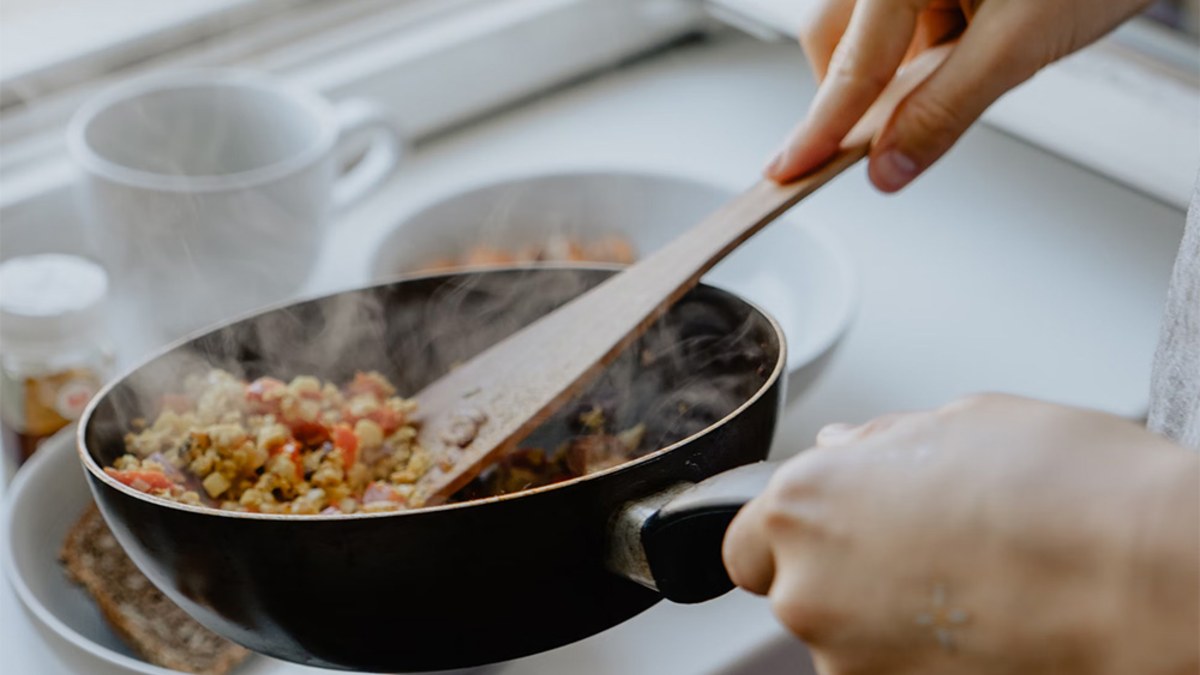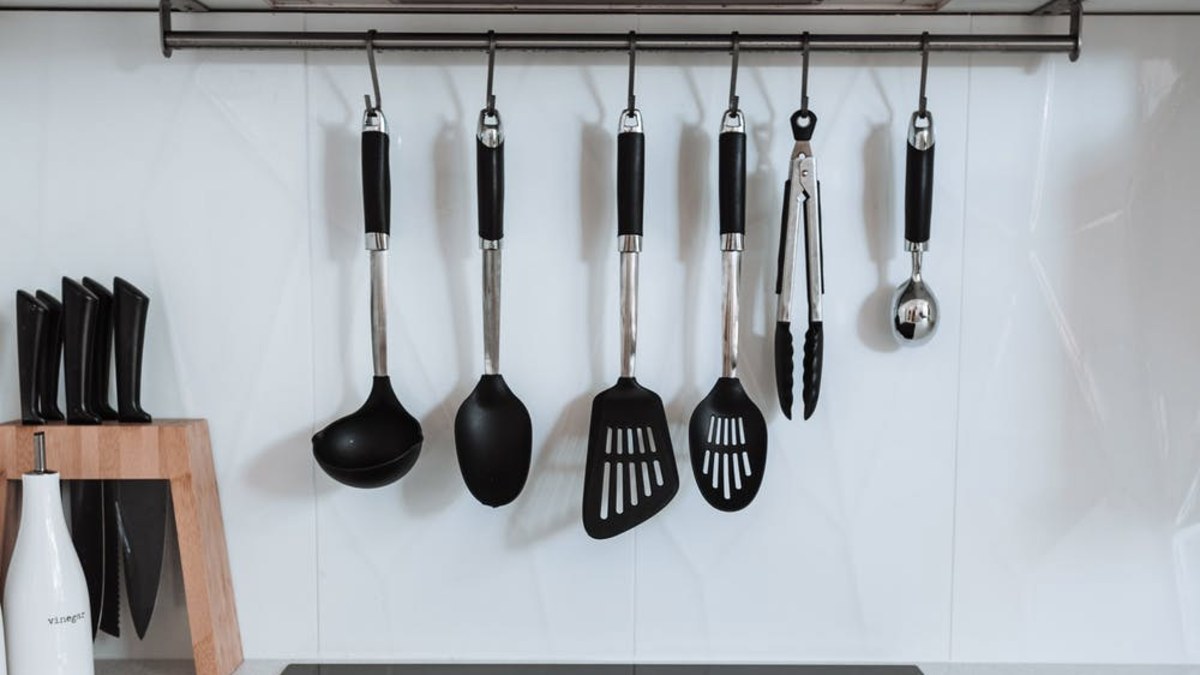
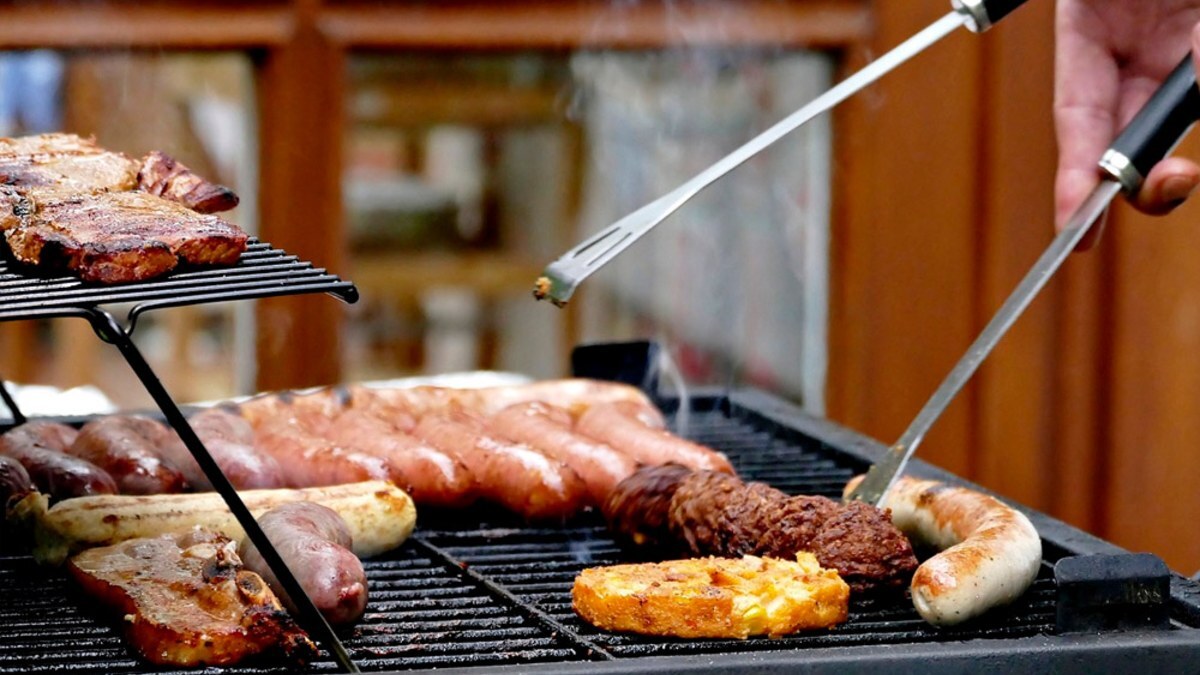
Tongs show up everywhere, from blacksmith shops to science labs. In the kitchen they earn their keep every day: grilling, flipping, stirring and serving. What they're made of decides how much heat they can take, how long they last and how they feel in your hand.
Pick the wrong material and your tongs melt on the grill, bend under a roast or scratch your favorite pan. Here's how the common options compare, and which one fits the job.
The short answer
Stainless steel for high heat and heavy jobs. Silicone-tipped or composite for nonstick pans. Wood, bamboo or aluminum for light cooking and serving.
Materials at a glance
| Material | Heat | Durability | Best for | Watch out for |
|---|---|---|---|---|
| Stainless steel | Excellent | Very high | Grilling, frying, heavy jobs, pro kitchens | Heavy. Get insulated handles |
| Carbon steel | Excellent | Exceptionally strong | Heavy-duty tasks | Rusts without care |
| Silicone | Up to about 500°F | High-quality silicone resists tearing | Nonstick and ceramic cookware, sautéing | Not as tough as steel |
| Composite (nylon, reinforced fiberglass) | Up to about 400°F | Resists wear, won't warp or crack easily | Daily use, nonstick pans | Can melt past its limit |
| Aluminum | Lower melting point | Can bend under heavy use | Light cooking, serving noodles | Not for grilling or broiling |
| Wood and bamboo | Moderate | Can crack under heavy pressure | Serving and light tasks | Scorches with prolonged heat |
Stainless steel: the professional standard
It's the most common material in pro and home kitchens for good reason. Stainless resists corrosion, bending and breaking, so it's ready for big jobs like handling a rack of ribs or flipping a roast. It takes far more heat than most materials, which makes it the go-to for grills and hot frying pans, and it's versatile enough for nearly any task.
The trade-off is weight. The heft gives you stability and control, but steel also carries heat, so choose tongs with insulated handles or they can get too hot to hold near a heat source.
Carbon steel: strongest, but needy
Less common in commercial kitchens, carbon steel is prized for its strength and responsiveness, even compared to stainless. It handles heavy-duty jobs without coming close to bending and takes high heat just as well.
The catch is rust. Unlike stainless, carbon steel reacts to moisture, so dry it right after washing and keep up with maintenance, especially if it sees heat and moisture together. It's also on the heavy side.
Silicone: grip and gentleness
Silicone usually covers the tips and handles of stainless tongs, pairing steel's strength with a softer touch. High-quality silicone resists tearing and cracking and handles around 500°F without melting or warping, which makes it great for sautéing and anything in a nonstick pan.
It won't scratch nonstick or ceramic cookware, gives you a more comfortable grip than bare steel and comes in lots of colors and sizes. That combination is why it's one of the most popular choices out there.
Composite: lightweight everyday workhorses
Nylon and reinforced fiberglass combine the best of several materials. They resist wear, don't warp or crack easily, clean up fast and are gentle on nonstick pans.
Most handle up to about 400°F, and that's the upper limit, so going past it can make them melt or deform. They aren't the strongest option for heavy-duty jobs, but they're great for daily use.
Aluminum: light and affordable
Aluminum is abundant, so it's inexpensive, and it's light and easy to maneuver. It resists corrosion but isn't as strong as stainless, so it can bend under heavy use.
It also conducts heat well and has a lower melting point than steel, so skip it for grilling and broiling and make sure the handles are insulated. It's perfect for everyday jobs like turning food in a pan or serving noodles.
Wood and bamboo: classic and eco-friendly
Wood and bamboo tongs are lightweight, easy to handle and made from fast-growing, biodegradable resources, and bamboo resists scratches and dents. They're more common in home kitchens than professional ones.
Both handle moderate heat, but long exposure to high heat can scorch or splinter them, and they can crack under heavy pressure. They're best for serving and light kitchen tasks.

Serving at a catered event, buffet or barbecue? Lightweight food-grade plastic tongs are a practical choice for salads, pastries and desserts.

The right material turns tongs from a drawer filler into the tool you reach for first.
How to choose the right tongs
Start with the job. For high-heat cooking like grilling and frying, go with stainless or carbon steel. To protect delicate cookware, silicone and composite are the safest bets. For light kitchen tasks and serving, aluminum, wood and bamboo all work. In professional kitchens, stainless steel is the standard because it lasts and stands up to constant use.
Then check the details, because design matters almost as much as material:
- Grip: silicone or rubber for comfort and safety
- Length: longer for grilling, shorter for precise kitchen work
- Spring: a reliable mechanism for an easy, secure grip
- Lock: makes storage more convenient
Quick answers
What are the best tongs for grilling?
Stainless or carbon steel, long enough to keep your hands off the heat, with insulated handles.
Which tongs won't scratch nonstick pans?
Silicone-tipped or composite tongs.
Are silicone-tipped tongs heat safe?
Yes. High-quality silicone handles around 500°F, which covers most stovetop cooking. For open flames and very hot grills, bare stainless is the safer pick.
Do stainless steel tongs rust?
Stainless resists rust and corrosion, which is a big reason it's the kitchen standard. Carbon steel is the one that rusts without regular care.
What should I use for serving?
Wood, bamboo, aluminum or lightweight plastic all work well for light tasks and serving.
Tongs, branded your way
Need custom tongs for food service or events?
Tell us how they'll be used and how many you need. We'll match the material and size, then add your logo.