Acacia has become one of the most popular woods in the kitchen, from cutting boards to salad bowls to spoons. It's gorgeous, but is it actually a good choice for tools you use every day?
The short answer
Yes. Acacia is a dense, durable hardwood with natural oils that help it resist water. It's food safe, gentle on cookware, won't melt and looks great for years with basic care. The trade-offs: hand wash only, oil it now and then, and don't leave it in a hot pan.
What makes acacia good for kitchen tools
- Hard and durable. Acacia is denser than many common hardwoods, so it resists dents and scratches.
- Water resistant. Its natural oils help it shed water, so it's less prone to warping and cracking than softer woods.
- Gentle on pans. It won't scratch nonstick, enameled or stainless cookware.
- Cool to the touch. Like all wood, it doesn't conduct heat, so the handle stays comfortable.
- Beautiful grain. Rich, varied color that hides everyday stains well.
- Sustainable. Many acacia species grow quickly, and a lot of it comes from managed plantations.
Is acacia wood food safe?
Yes. Acacia is one of the most common woods used for utensils, serving bowls and cutting boards. Like all wood, it's still porous, so clean it well, especially after raw meat, and make sure any finish on it is food safe.
Pros and cons
| Pros | Cons |
|---|---|
| Dense, durable hardwood | Hand wash only |
| Natural oils help it resist water | Needs occasional oiling |
| Won't scratch your cookware | Can scorch over direct flame |
| Won't melt or leach chemicals | Stays damp longer than metal if you don't dry it |
| Rich grain that hides stains | Quality varies by maker |
| Often more affordable than walnut or teak |
Acacia vs. other kitchen woods
| Wood | Hardness | Water resistance | Look | Price |
|---|---|---|---|---|
| Acacia | Very hard | Good, thanks to natural oils | Rich, varied grain | Moderate |
| Bamboo | Hard | Good | Light and uniform | Budget friendly |
| Maple | Hard | Good | Light and clean | Moderate |
| Teak | Medium-hard | Excellent, very oily | Golden brown | Higher |
| Walnut | Medium-hard | Good | Dark and elegant | Higher |
Acacia is the rare wood that looks like a splurge and works like a workhorse.
Acacia in the kitchen
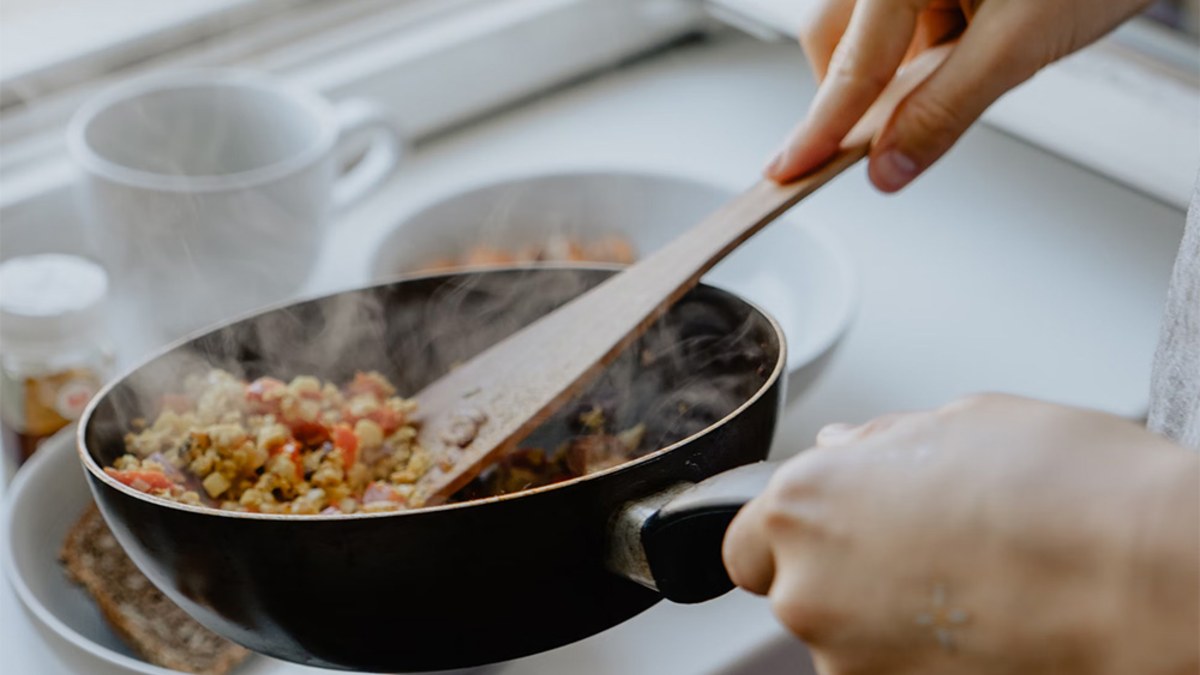
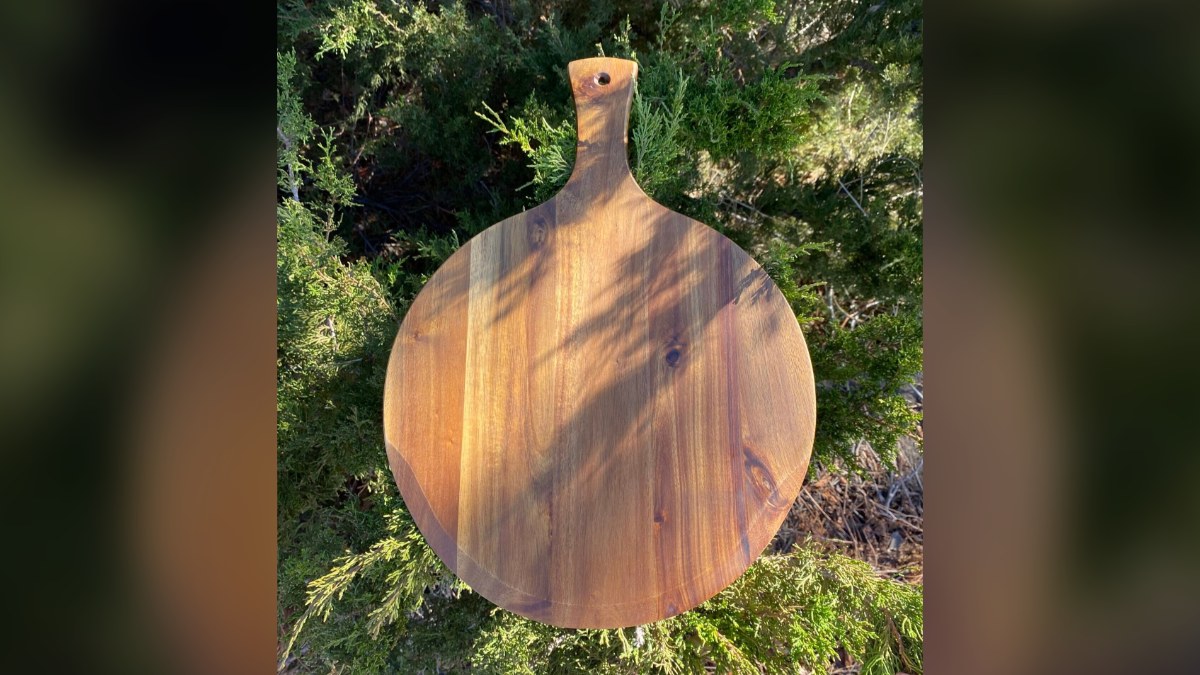
You'll see acacia most often in cutting boards, carving boards, serving boards and bowls, where its hardness and grain really shine. It makes great spoons and spatulas too. For cooking at high heat, the same rules apply as with any wood: keep it moving and out of direct flame. Here's more on using wood at high heat.

Shop the acacia large carving board →

Shop the acacia large cutting board →
Acacia care checklist
☐ Hand wash in warm, soapy water
☐ Dry right away, then stand it up to air dry completely
☐ No soaking and no dishwasher
☐ Rub in food-safe mineral oil or board cream about once a month
☐ Lightly sand rough spots, then re-oil
Quick answers
Is acacia wood toxic?
No. It's widely used for food contact items like utensils, bowls and cutting boards.
Is acacia good for cutting boards?
Yes. It's hard enough to last, gentle enough on knives and naturally water resistant.
Can acacia go in the dishwasher?
No. Heat and long soaks can crack and warp it. Hand wash instead.
Is acacia better than bamboo?
Acacia is usually a bit harder and richer looking. Bamboo is lighter and more budget friendly. Both are great choices.
Acacia, engraved with your logo
Want branded acacia boards for gifts or your business?
Tell us the occasion and the quantity. We'll recommend the right board and engraving.